What does Thomas Sutcliffe mean when he says "Films need to seduce their audience into long term commitment. While there are many types of seduction, the temptation to go for instant arousal is almost irresistible"
What Thomas Sutcliffe meant was that in the opening of a film, there has to be something to draw the audiences' attention. In a sense that the film has to offer something to the consumers which they will be satisfied of. Going in more deeply, it means that in the beginning, there has to be some sort of action or a direct shock where the relationship amongst the film and audience become stronger and it leads the audience onto a whole new experience, some form of escapism.
According to director Jean Jacques Beineix, what are the risks of 'instant arousal'?
 Director Jean Jacques Beineix believed that a consumer watching a film has to 'accept the wait' and 'nurse, nurture your desire to make it grow, then the satisfaction comes'- this simply means that the beginning should not provide instant arousal and it should give the film time to help reach its climax. With this, he also criticised the process of instant arousal and stated that audience may ask to many questions. Where do you go after making the first section interesting? What's next? He thought that it raised too many questions.
Explain why "a good beginning must make the audience feel that it doesn't know nearly enough yet, and at the same time make sure that it doesn't know too little"
I mean, a good begging must do all these things but in a manner of balance. Obviously the film producers and directors should consider revealing limited information but not too much because letting the audience know too much already, in the beginning, can prevent people from being intrigued. I think this process allows the audience to make their initial judgements and gives them something to look forward to which makes it a good beginning. Its almost like a deal, the beginning is the part where the film comes to term with its viewers.
What does critic Stanley Kauffmann describe as the classic opening? Why does this work?
 A classic opening is when a film begins with a establishing shot- then close up of a building- camera goes up to a building to a window- then into the window- past the receptionists desk- then to a private office and then... sat there somebody. This is the type of opening that establishes tone - enabling the audience to make early adjustments to what this kind of movie is going to be. Is it going to be a comedy, something that will make the audience scream- this type of thing puts the audience on the same wavelength as the producers. And it always depends on how its presented. The idea that the camera 'slowly' mounts up the building could illustrate that its going to be a slow story and makes the audience enter their comfort zone. This type of opening in a way informs the audience. It shows the viewers 'where' the film is taking place the 'occupation' of the hero or protagonist and this almost puts everything in place. Makes the movie seem more rational and solid.
 Why is Kyle Cooper's title sequence to the film Seven so effective?
Kyle cooper let us know that the director, wasn't after something like a gentle prelude, but a sequence that will tune the viewers to the right pitch. This was like a wake up call to the audience (waking them up). Well, talking about the film Seven and its title sequence, it was effective for a number of reasons...1) it foreshadowed a lot of the things that will happen in the movie. 2) told a story. 3) it introduced to you the obsessive nature of the films main characters.
What did Orson Welles want to achieve with his opening to the film A Touch of Evil?
Orson Welles wanted to create something more unique than other film openings. He tried to do this by having a film opening without title credits and with out title music. He wanted to plunge the audience into he's story without giving them time to prepare themselves. He believed that anything could be done with a cliché opening, if you don't look at it as a cliché if you look at it as the beginning of a adventure. By this he meant that anything could happen in a movie opening. He presented a movie where everything was going okay until an explosion occurred. This was the turning point of the movie and gave the audience something to think about... Why? How? What?
 What is meant by "a favourite trick of Film Noir"? What is the trick?
Some openings tend to attract an audience with the process of a 'a favourite trick of film Noir.' This is when the film begins with the ending, and the rest of the film is a build up of how it got to the ending that was shown. This can be effective because it creates suspense, however could be seen as difficult to keep the audience entertained because the audience already knew what happened at the very end.
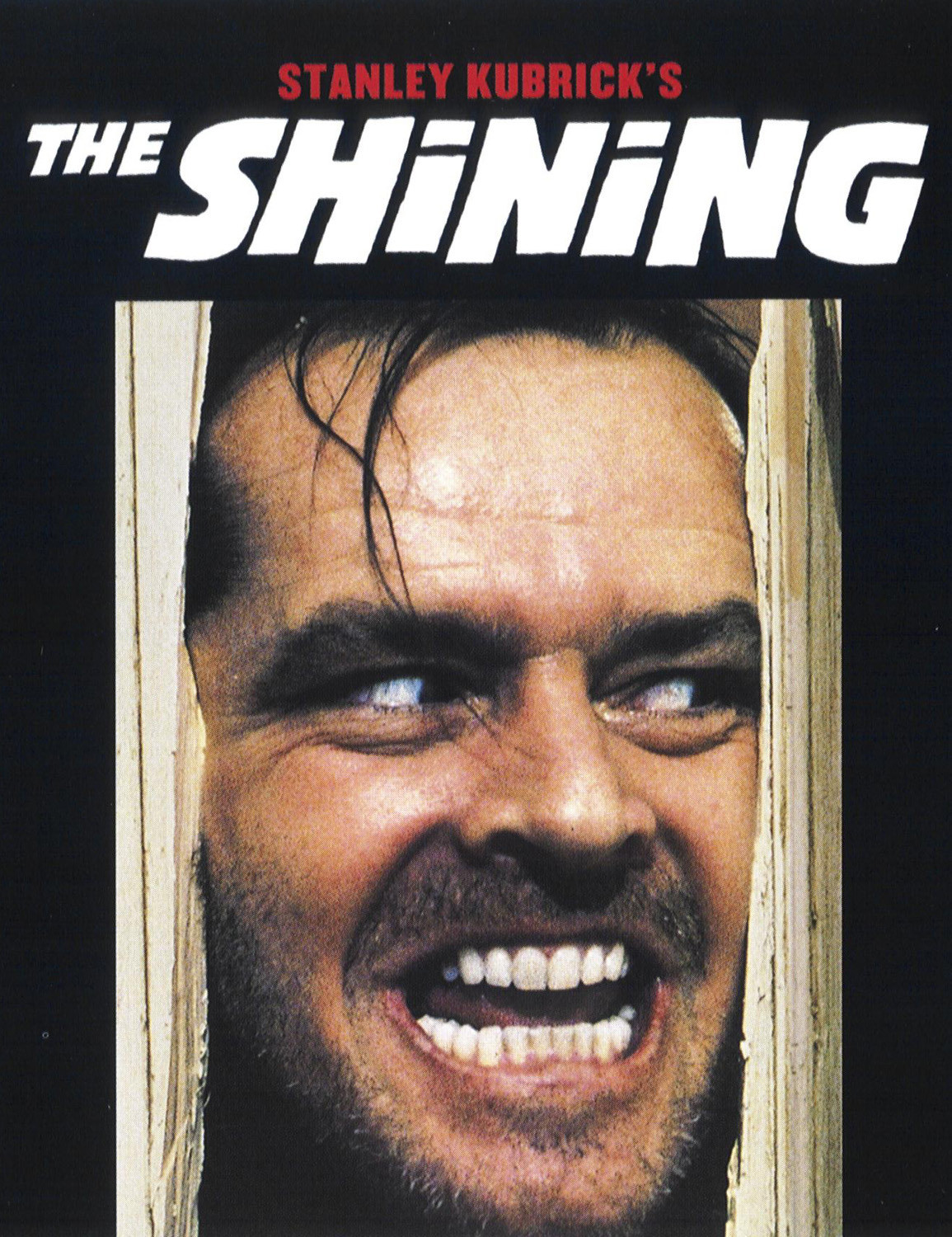
How does the opening to the film The Shining create suspense?
The film shining highly creates suspense for many reasons; one being that the camera angles that were used, make us feel like predators, which many indicate mystery or murder. Also, the music was quiet and like a cradle song.

No comments:
Post a Comment