Genre Short-list
- Drama
- Horror
- Action


 |
Psycho - In my opinion, this type of opening is really boring and
it doesn't offer to much really, to grasp the audiences attention.
- This category of title sequences is more elaborate title cards, developed to include hand drawn borders and other images - It incorporates text with a visual image to hint at the tone or genre of the film  SE7EN- I think this type of title sequence is more creative and gives the audience something to think about and it also adds purpose to the whole film. Titles over moving images: - Incorporates the credit titles with moving images behind the titles - Sound and usually no dialogue - There is an element of metaphors and a narrative thread to help introduce the tone |
 |
City Of God- As there is an
enhancement in technology,
studios are able to make more
visually appealing title openings.
Titles using animation or motion:
- Became popular in 1990
- Titles themselves became part of the main image and are integrated together with the images we see
- However, it requires a lot of digital technology and stylized editing
|


 - Titles on black screen; as you can see from the gif, titles on black screen are widely used through out the whole title sequence. Not only is it used alone but it is used with some of the visuals. I think this is intentional because it allows the audience to be both informed and entertained. It allows the audience to make a link with the visual material and the title. For example we see Brad Pitts name on a black screen and at the same time a snippet of the movie location. (urban) almost like a split screen.
 |
| BFI STATISTICAL YEARBOOK |


 The title of this movie is introduced in the 59th second. And when it is introduced, we come to see a sea/lake and a boat moving (the place seems very quiet) The title Gone Girl is then blended with the blue sky which makes it a play on words in a sense; the title is going- blending into nature. This is backed up through some of the screen shots of the setting. It seems very quite and serene. This make the setting seem calm and peacefully. Whilst this is going on, the cast, producers and actors are presented in white - which also connotes purity, serenity, innocence which further signifies the idea of peacefulness. We are then introduced to the protagonist where he is emptying the bin, looking miserable.
 |
This is an example of the movie we discussed in class. Looking at this image i can tell you about the different features of genre tropes which signifies that this is a gangster genre, for example: there is a gun, alcohol, cigarets, actors dressed very smartly etc.3 Favorite Genres:
Gangster:Looking into a gangster movie, i have selected American Gangster as my favorite gangster genre. This movie, just like Goodfellas signifies genre tropes such as a gun, dressed very smartly and more to show that this is a gangster genre.
This is a still image in one of the scenes which signifies genre trope that show that this movie is a gangster genre. I know this because the main character is dressed very smartly just like a gangster, we can tell that his the leader as his sitting alone with people surrounding him and listening to what he is saying.
Action:Looking into a action movie, i have selected Fast and Furious 7 as my favorite action movie. This movie signifies genre tropes such as fast cars, men jumping from one car into another, weapons and more to represent that this is a action genre.  This is a still image at a scene of Fast & Furious 7. I can tell you that this image signifies a genre of Action because I can see fast cars and men jumping from one car into another. Also there is a tank, these are all the genre tropes, Comedy:
Finally, as my favorite comedy movie i have selected Ted. From my perspective the genre trope is the teddy bear itself as this signifies that this is a comedy genre.

This is a still image of a scene of Ted. I can tell you that this is a comedy genre as i can observe laughter from the 3 character females, the laughter is due to Ted's inappropriate action which also signifies that this is a comedy genre.
|
 Hes work involves over 100 film title openings. Another memorable title sequence is Dawn of the dead. He believes that a good title sequence is only good if it makes the audience worry and ask questions, set an expectation - a form of escapism, forgetting everything else and focus on that very moment. This will make the audience excited. He also believes the process of dovetailing where the credit sequence and movie are somehow connected/joint.


 Director Jean Jacques Beineix believed that a consumer watching a film has to 'accept the wait' and 'nurse, nurture your desire to make it grow, then the satisfaction comes'- this simply means that the beginning should not provide instant arousal and it should give the film time to help reach its climax. With this, he also criticised the process of instant arousal and stated that audience may ask to many questions. Where do you go after making the first section interesting? What's next? He thought that it raised too many questions.
 A classic opening is when a film begins with a establishing shot- then close up of a building- camera goes up to a building to a window- then into the window- past the receptionists desk- then to a private office and then... sat there somebody. This is the type of opening that establishes tone - enabling the audience to make early adjustments to what this kind of movie is going to be. Is it going to be a comedy, something that will make the audience scream- this type of thing puts the audience on the same wavelength as the producers. And it always depends on how its presented. The idea that the camera 'slowly' mounts up the building could illustrate that its going to be a slow story and makes the audience enter their comfort zone. This type of opening in a way informs the audience. It shows the viewers 'where' the film is taking place the 'occupation' of the hero or protagonist and this almost puts everything in place. Makes the movie seem more rational and solid.
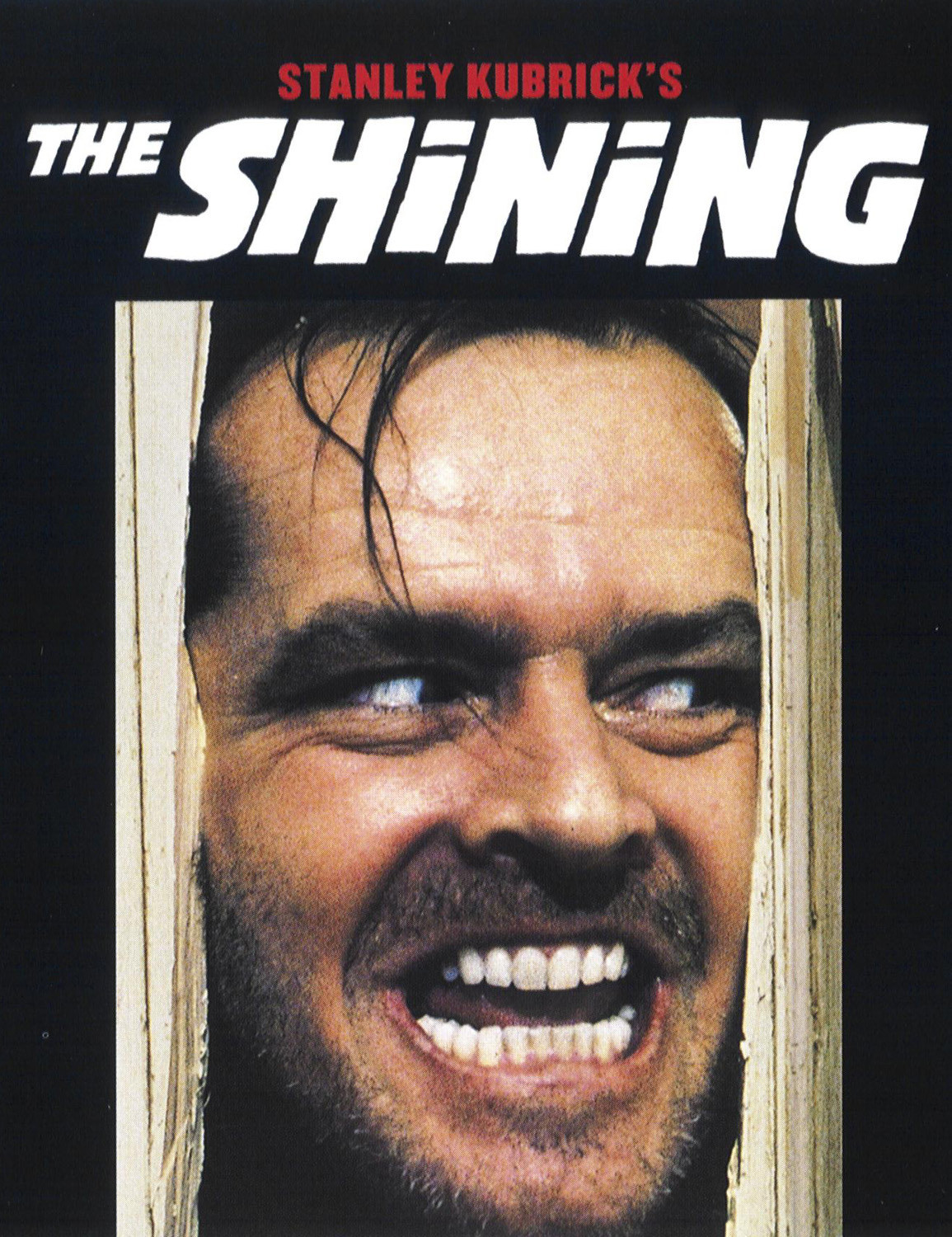
 Why is Kyle Cooper's title sequence to the film Seven so effective?
 What is meant by "a favourite trick of Film Noir"? What is the trick?