Sunday, 1 November 2015

Task 14 - Summary of Genre Conventions
Summary of Genre Conventions
The genre chosen by me and my group is romance/thriller. We looked at the opening sequence of SE7EN and decided that we are going to do something similar to it.
What are the codes and conventions of thriller then?
A good example of a thriller is World War Z;

The genre chosen by me and my group is romance/thriller. We looked at the opening sequence of SE7EN and decided that we are going to do something similar to it.
What are the codes and conventions of thriller then?
A good example of a thriller is World War Z;


Saturday, 17 October 2015
Thursday, 15 October 2015
Task 15 - Importance of sound
Sound
What is sound?
Sound is the noise used in the background to contribute to something, also it is the effect where this could be anything you hear
What is a sound-scape?
Sand-scape is the overall sound used in a movie or film
What is sound design?
This is the planning of sound and the design of sound
What is 'suspending disbelief'?
Essentially creating a realistic based sound effects, so the audience believes that it is real.
George Lukas (director of star wars) argues that sound is 50%, where he meant that without sound you will be missing 50% of everything in a film, as this will completely become a terrible film.
Sound is very important because it helps us spot the genre of a film, also it establishes tone and atmosphere in films.
Wednesday, 14 October 2015
Task 13 - Macro & Micro Analaysis
Micro & Macro Analysis
Micro Analysis - Whilst Micro Analysing, we observe the small features.
The Stepfather - Micro Analysis
Camera:
- Low establishing shot of the house, this type of shot is known for the classic horror movie shots.
- Close-up shots of the characters actions, for example, whilst shaving, whilst using the toaster etc.
- The camera gets down on a angle as it moves (tilted angle)
- Close-up shots of the family pictures, this may connote that the person is a family man as there's no sign of proof that his a serial killer yet in the beginning scene.
- Close-up shot of the man cutting himself whilst shaving. Also close-up shot of the blood, this connotes death.
- Wide shots
- Over shoulder shots
Editing:
- Edited from the characters perspective
- Match-cuts
- Flashback of a girl screaming, this connotes violence
- slow paste
Mise-en-scene:
- Normal everyday scene at the suburbs, and a ordinary white, middle-classed family life
- Props: Contact lens, Scissors, Gillette, Gloves and Hair dye
- Blue and White lightning
- Christmas
- Dressed casually
- Mysterious music
- Sound effects on characters actions, for example, rubbing his hands, whilst shaving and more
- As the character cuts himself whilst shaving, the tone of music changes as the blood appears. This may mean that more blood can be seen during the movie
- Minor Up-pitched key
- Sound bridges
- As the character gets down the stairs, the tone of music changes as it becomes more high-pitched
- Dog barking connotes danger
- Change of music as the character leaves the house
- Christmas Music
Macro Analysis: Whilst Macro Analysing, we observe the bigger pictures and issues.
The Stepfather - Macro Analysis
What is the key plot idea introduced in the title sequence?
The key idea which is introduced in the title sequence is that the family man (stepfather) kills his family and I believe his heading out to kill more families as he is a serial killer
In what order is the storyline introduced?
The storyline is introduced in the chronological order
What characters introduced? When and how?
We are introduced with the stepfather and his family, and this was through him
What social groups are represented?
We come along with a middle-class family, they're typical white American Suburban family
Title credits in order:
- Screen Gems
- Screen Gems presents
- Maverick films
- The Stepfather
- Dylan Walsh
- Sela Ward
- Other important characters
- Casting by
- Costume designer
- Music supervisor
- Music by
- Edited by
- Production designer
- Director of photography
- Executive Producers
- Salt Lake City Police Department
SE7EN Micro Analysis:
Camera Analysis:
- Most scenes are close-up shots
- Close-up shots gives an clear view and allows audience to understand what's going on
- No characters seen due to the close-up shots, this creates tension because audience has not seen anyone yet.
- Some close-up shots was blurry, the purpose of this may be because the director may have wanted the audience to come along with certain parts yet, as this creates more tension because the audience cant really tell what's going on
- Haven't come across of other shots during the title sequence
Editing:
- Straight cuts
- Black lightning and fade used, this connotes darkness
- Some shots are in slow pace
- White lightning used when a next shot appears
Mise-en-scene
- No setting included as shots were close-up, but it looks like a office or a house because we come along with basic props which can be found in both places. Not knowing the location may create tension because we do not know where exactly this movie is set
- Props: Books,Photos,Files,Pens,Paper,Blade, and Needle
- Dark lightning used with shadows, this connotes danger
Sound:
- Slow pace music in the beginning but eventually gets faster towards the end
- Creepy music and sounds very mysterious
- non-diegetic sound
- Squeaky noises occurred during the title sequence, this creates suspense and may be signified to a horror genre.
SE7EN Macro Analysis:
What is the key plot idea introduced in the title sequence?
The key plot idea introduced in the title sequence is not yet shown but from my perspective I think the key plot in this title sequence is investigations and detective work.
In what order is the storyline introduced?
The storyline is introduced in the chronological order
What characters are introduced?
There was no characters introduced yet in the title sequence
What social groups are represented?
According to this title sequence, I do not get a clear view on what social groups are represented. However it seems like a negative aspect because we come along with a blade, where the character is cutting of his skin as if he is destroying fingerprints. In essence, it seems like a working class social group.
Title credits in order:
- New Line Cinema Presents
- An Arnold Kopelson Production
- A Film By David Fincher
- Brad Pitt
- Morgan Freeman
- SE7EN
- Other Characters
- Casting by
- Music by
- Costumes designed by
- Edited by
- Production designed by
- Director of photography
- Co-Producers
- Co-executive producers
- Executive producers
- Written by
- Produced by
- Directed by
Monday, 12 October 2015
Sunday, 11 October 2015
Task 10 - What is Genre?
Definitions:
Genre: Type or category of a specific film/book/music etc. e.g. Horror, Thriller, Comedy etc.
Sub-Genre: Genre within a genre e.g Action & Adventure
Hybrid Genre: Two or more genres combined in one e.g RomCom
Codes & Conventions: Types of features used and expected for a specific category/genre e.g c&c's for horror would consist of; jumpscares, screams, blood etc.
Genre Tropes: Signifiers about the genre, more to do with the mise-en-scene e.g tropes for an action film would consist of fast cars, mid-air flyers
Class discussion:
As a class we looked analysed the types of genres and the genre tropes. We also looked at the codes and conventions of a specific genre and how it would look. For example an action movies codes and conventions would be dispute and combat. The genre tropes would be stuff life fast cars, mid air flyers and so on.
My very own preferred genres:


Genre: Type or category of a specific film/book/music etc. e.g. Horror, Thriller, Comedy etc.
Sub-Genre: Genre within a genre e.g Action & Adventure
Hybrid Genre: Two or more genres combined in one e.g RomCom
Codes & Conventions: Types of features used and expected for a specific category/genre e.g c&c's for horror would consist of; jumpscares, screams, blood etc.
Genre Tropes: Signifiers about the genre, more to do with the mise-en-scene e.g tropes for an action film would consist of fast cars, mid-air flyers
Class discussion:
As a class we looked analysed the types of genres and the genre tropes. We also looked at the codes and conventions of a specific genre and how it would look. For example an action movies codes and conventions would be dispute and combat. The genre tropes would be stuff life fast cars, mid air flyers and so on.
My very own preferred genres:
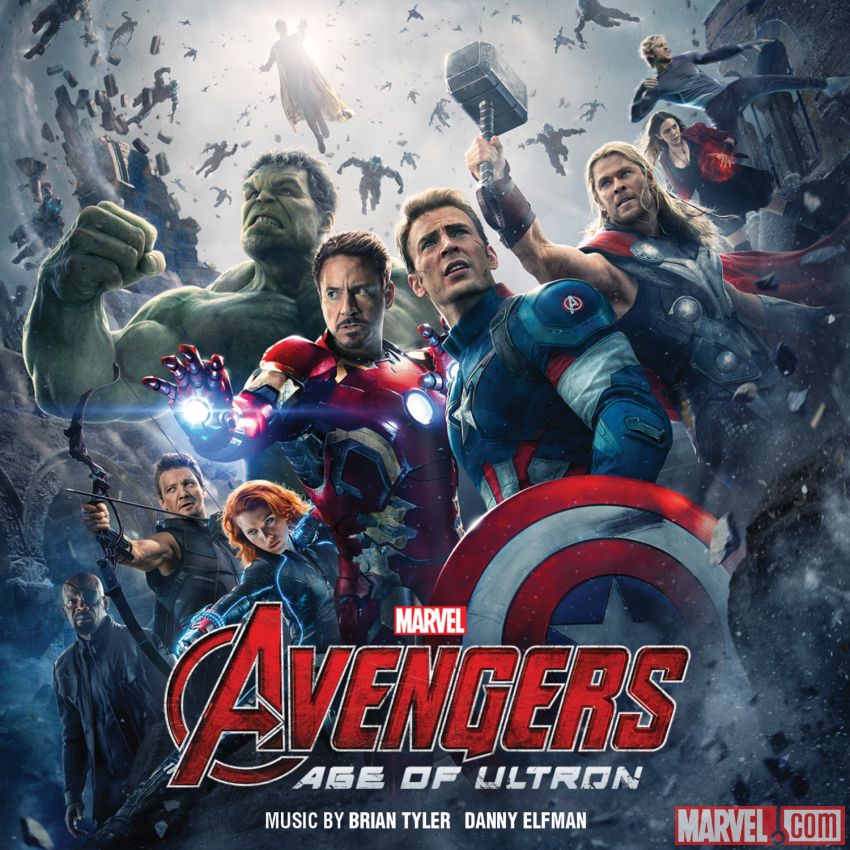
- Genre: Action
- Codes and Conventions of genre: High speed cars, drugs, guns, combat (binary opposition theory; good vs evil)
- Films of this genre: The Avengers; Age of Ultron, The Dark Knight Rises
- Genre: Horror
- Codes and Conventions of genre: Scary figures, shadows, darkness, blood, intimidating angle shots i,e high angle and low angle shots, fire, blood, screaming
- Films of this genre: A Nightmare On Elm Street, The Cabin In The Woods
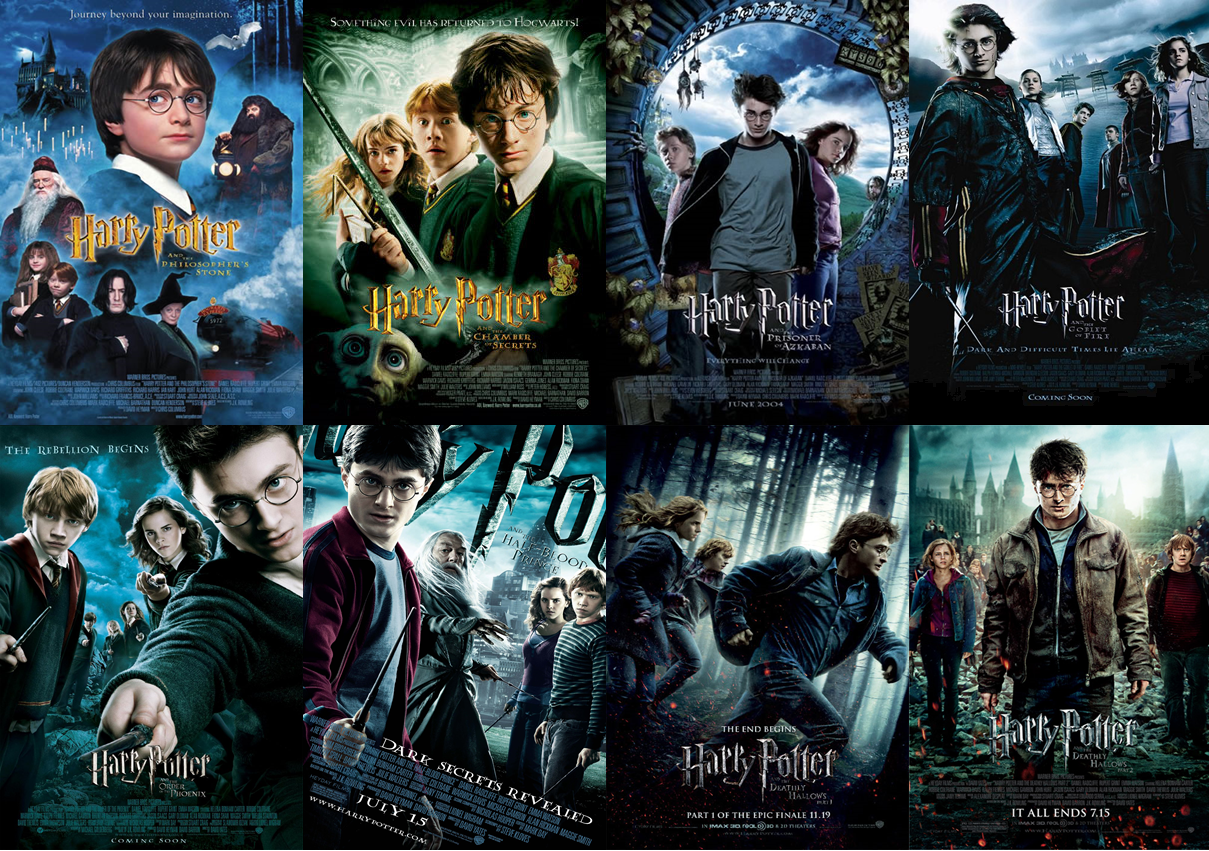
- Genre: Adventure
- Codes and Conventions of genre: Dramatic non-diagetic sound, quest, protagonists and antagonists,
- Films of this genre: Lord Of The Rings trilogy, Harry Potter series
Task 9 - The four different types of film openings
Titles on black screen:
- This is the most common type of title sequence.
- Usually a white type face on a black background, creating a high contrast
- Studios use this type of film opening because it is very cheap
- It offers a simple, uncomplicated way to include institutional information at the beginning of a film

- This is the most common type of title sequence.
- Usually a white type face on a black background, creating a high contrast
- Studios use this type of film opening because it is very cheap
- It offers a simple, uncomplicated way to include institutional information at the beginning of a film
 |
Psycho - In my opinion, this type of opening is really boring and
it doesn't offer to much really, to grasp the audiences attention.
- This category of title sequences is more elaborate title cards, developed to include hand drawn borders and other images - It incorporates text with a visual image to hint at the tone or genre of the film  SE7EN- I think this type of title sequence is more creative and gives the audience something to think about and it also adds purpose to the whole film. Titles over moving images: - Incorporates the credit titles with moving images behind the titles - Sound and usually no dialogue - There is an element of metaphors and a narrative thread to help introduce the tone |
 |
City Of God- As there is an
enhancement in technology,
studios are able to make more
visually appealing title openings.
Titles using animation or motion:
- Became popular in 1990
- Titles themselves became part of the main image and are integrated together with the images we see
- However, it requires a lot of digital technology and stylized editing
|

Casino Royale- This is an interesting way to start a movie.
It is animated which makes it visually appealing for the
audience. There is in fact a bit of drama included which drops
hints to the audience which the audience have to pick up
and convert to satisfaction.
1. Narrative Title Sequences:
1. Narrative Title Sequences:
Include moving images and begin as the film begins
They have title sequences with moving images
2. Discrete Title Sequences:
The titles are integrated in moving images - not clear about the storyline
Sets the tone; insight of later scenes in movies
3. Stylised Title Sequences:
Mixture of Narrative and Discrete - moving images and title credits
I personally think that a narrative title sequence is more appropriate for a film because nearly 50% of the film is about the plot it self. However, it can be argued that it has to also be visually appealing. That's why I would say a stylised title sequence would be more convenient. The audience need to know what's happening, the genre and so on.
I personally think that a narrative title sequence is more appropriate for a film because nearly 50% of the film is about the plot it self. However, it can be argued that it has to also be visually appealing. That's why I would say a stylised title sequence would be more convenient. The audience need to know what's happening, the genre and so on.
Task 8 - Analysis of my favourite film

WORLD WAR Z.
WORLD WAR Z is my favourite film and the film opening is actually quite interesting. To begin with, it uses three title sequences;
 - Titles on black screen; as you can see from the gif, titles on black screen are widely used through out the whole title sequence. Not only is it used alone but it is used with some of the visuals. I think this is intentional because it allows the audience to be both informed and entertained. It allows the audience to make a link with the visual material and the title. For example we see Brad Pitts name on a black screen and at the same time a snippet of the movie location. (urban) almost like a split screen.
- Titles over moving images; this allows the tone to be set. We see many natural material i.e trees, farm lands, animal habitats and in a sense connotes freedom and purity. However, it seems to present many animals having combat and this is when the audience start thinking deeply about what the actual genre is
- Titles on still images; the visual material in world war Z definitely shows us what kind of genre its going to be - action, adventure horror. This is obviously illustrated by the animals and how they are in combat, trying to survive and how people are in dispute. This type of opening sequence is almost foreshadowing what might occur in the later stages of the movie.
-Order of credits;
- Production Institution
- Actors
- Casters
- Visual effects supervisor
- Music by
- Costume designer
- Editor
- Production designer
- Director of photography
- Executive producers
- Producers
- Screen story by
- Screen play by
- Director
Saturday, 10 October 2015
Task 11 - BFI Statistics Yearbook
BFI Statistics Yearbook
Chapter 4: Genre
- According to the UK box office, Animation (Despicable 2), Action (Iron Man 3) and Comedy (The Hangover Part 3) was the 3 most successful genre's. On the other hand, War (Lore), Documentary (One Direction: This is us) and Romance (Give it a year) was the least popular at the UK box office
- During 2013/14 Comedy had the most films released which was 153 releases.
- During this period 33 Animated films were made.
- During this period 47 Action films were made.
Chapter 15: Audiences
- In the UK 15-24 year olds made up the largest proportion of cinema admissions in the UK.
- The Hangover Part 3 was the most successful with the 15-24 year olds age group.
- Sunshine on Leith (Musical Film) was the most popular for the 50 + age group.
- For men Captain Philips ( Thriller, Drama and Biography) was the most popular film and genre.
- For woman One Direction: This is us ( Documentary) was the most popular film and genre.
- UK films mostly appealed to the male audience aged between 15-24.
- One Direction: This is us, Wreck-It Ralph and Despicable Me 2 was the 3 most popular films for the 7-14 year old. This tells me that kids from 7-14 years old prefer animation and documentary genre.
- Frozen, The Croods and Jack & The Giant Slayer was the 3 most popular films within the 34-44 age group. The reason being for this is because all three of these are animation genres, this tells me that the ages between 34-44 is the ages which parents mainly have kids and the reason being for these films to be popular for that age group could be the fact that they take their kids cinema.
- Django Unchained, Fast and Furious 6 and Rush was the 3 most popular films for the 25-34 age group.
- For C1 audience (middle class audience): Rush, Captain Phillips and Gravity was the most popular films for the C1 middle class audience.
- For C2 audience (middle class audience): O2 the great and powerful, Fast and Furious 6 and Despicable Me 2 was the most popular films for the C2 middle class audience.
- The differences I came up with the popular films in London and Scotland is that the audience at London mainly enjoyed, Thriller and Western genre. Whereas the audience at Scotland mainly enjoyed Comedy and Action genres. This shows me that there are always difference in audience at different areas.
 |
| BFI STATISTICAL YEARBOOK |
Friday, 9 October 2015
Task 7 - What conclusions can I make about the titles used in title sequences?
Gone Girl (2012)
The order we see the title credits in;
What I can conclude about this title opening is that title credits are organised deliberately. Its in the order of importance - producers first, actors second, sound designers and so and so. The title credits here are mostly divided proportionally meaning that each of them are aired the exact same duration. However, the actors, producers and the title all have more time. This is because of recognition. They want to be more visually appealed and want to be concentrated into it, giving them more credit. I can also add that this title sequence uses titles on a black screen. The main characters and producer are in the font white with a black background. This makes them look bolder and makes them stand out more. The typography is pretty basic; Arial white. It was used in service of the movie. (Kyle Cooper belief) It helps integrate the content and title credits. The idea that it it white signifies purity and innocence as mentioned before and it creates a flow to the movie- consistency.
The order we see the title credits in;
- Producer
- Actors
- Film title
- Casters
- Sound design
- Music by
- Costume designer
- Film editor
- Production designer
- Director of photography
- Executive producers
- Producers
- Based on the novel of...
- Screen play
- Directors
- Date

What I can conclude about this title opening is that title credits are organised deliberately. Its in the order of importance - producers first, actors second, sound designers and so and so. The title credits here are mostly divided proportionally meaning that each of them are aired the exact same duration. However, the actors, producers and the title all have more time. This is because of recognition. They want to be more visually appealed and want to be concentrated into it, giving them more credit. I can also add that this title sequence uses titles on a black screen. The main characters and producer are in the font white with a black background. This makes them look bolder and makes them stand out more. The typography is pretty basic; Arial white. It was used in service of the movie. (Kyle Cooper belief) It helps integrate the content and title credits. The idea that it it white signifies purity and innocence as mentioned before and it creates a flow to the movie- consistency.
Task 6 - Analyse two film title sequences
Gone Girl (2014)
 Firstly, the movie Gone Girl starts with the process of a 'a favourite trick of film Noir.' This is where the film starts with the ending and the rest of the movie is a build up to that. In this case, this type of opening is very effective because the audience start second guessing on how it came to end up like that. Also, the music was dominated throughout the whole title sequence (as well as voices). The 20th Century Fox sound is not played however replaced by a very spooky and mysterious sound that made the audience feel already like there in the movie. The picture below shows a lady looking up to a camera. This connotes that women in this movie don't hold any power as the camera is dominating her in terms of position. Since the camera is above her, it illustrates that we as an audience have a greater power and dominance. However, the sound behind and the graphics don't interlock. We hear a mysterious song which makes everything we see questionable. Like is she really demoralized?
 The title of this movie is introduced in the 59th second. And when it is introduced, we come to see a sea/lake and a boat moving (the place seems very quiet) The title Gone Girl is then blended with the blue sky which makes it a play on words in a sense; the title is going- blending into nature. This is backed up through some of the screen shots of the setting. It seems very quite and serene. This make the setting seem calm and peacefully. Whilst this is going on, the cast, producers and actors are presented in white - which also connotes purity, serenity, innocence which further signifies the idea of peacefulness. We are then introduced to the protagonist where he is emptying the bin, looking miserable.
21 Jump Street (2012)
21 Jump street follows the codes and conventions of a action movie title sequence. It includes fire, money, drugs, explosions, guns and all the other stuff. The first 8 seconds show you a lot of things actually. It has sounds of police which is also signified by the blue and red colours. This suggests that there will be a lot of violence and misconduct. We already know the setting as illustrated by the statue of liberty and the US flag. The audience acknowledges that it will be set in an urban area. It shows you to directors and producers at the same time of the graphics which is very conventional.

 The title of this movie is introduced in the 59th second. And when it is introduced, we come to see a sea/lake and a boat moving (the place seems very quiet) The title Gone Girl is then blended with the blue sky which makes it a play on words in a sense; the title is going- blending into nature. This is backed up through some of the screen shots of the setting. It seems very quite and serene. This make the setting seem calm and peacefully. Whilst this is going on, the cast, producers and actors are presented in white - which also connotes purity, serenity, innocence which further signifies the idea of peacefulness. We are then introduced to the protagonist where he is emptying the bin, looking miserable.
21 Jump Street (2012)
21 Jump street follows the codes and conventions of a action movie title sequence. It includes fire, money, drugs, explosions, guns and all the other stuff. The first 8 seconds show you a lot of things actually. It has sounds of police which is also signified by the blue and red colours. This suggests that there will be a lot of violence and misconduct. We already know the setting as illustrated by the statue of liberty and the US flag. The audience acknowledges that it will be set in an urban area. It shows you to directors and producers at the same time of the graphics which is very conventional.
Wednesday, 7 October 2015
Task 10 - Genres
What is Genre?
definitions:
- Genre: 'type' or 'category' used in movies, for example: horror, comedy, thriller, action
- Sub-Genre: a subdivision of a genre of literature, music, film, etc.
- Hybrid genre: 2 genres combined together, for example rom-com (romance/comedy)
- Codes & Conventions: this is the system of sign which creates a meaning, for example in a horror movie you will be expected to be scared or expect murder.
- Genre Tropes: this is what signifies about the genre, for example during a horror movie, you will always expect an slight low angle of the haunted house.
Discussion about genre:
During the discussion in our class we talked about genre tropes and what type of features signifies a typical genre, for example in a gangster genre the typical items which signifies the genre is weapons, alcohol, or the way they are dressed, which is mainly smart.
 |
This is an example of the movie we discussed in class. Looking at this image i can tell you about the different features of genre tropes which signifies that this is a gangster genre, for example: there is a gun, alcohol, cigarets, actors dressed very smartly etc.3 Favorite Genres:
Gangster:Looking into a gangster movie, i have selected American Gangster as my favorite gangster genre. This movie, just like Goodfellas signifies genre tropes such as a gun, dressed very smartly and more to show that this is a gangster genre.
This is a still image in one of the scenes which signifies genre trope that show that this movie is a gangster genre. I know this because the main character is dressed very smartly just like a gangster, we can tell that his the leader as his sitting alone with people surrounding him and listening to what he is saying.
Action:Looking into a action movie, i have selected Fast and Furious 7 as my favorite action movie. This movie signifies genre tropes such as fast cars, men jumping from one car into another, weapons and more to represent that this is a action genre.  This is a still image at a scene of Fast & Furious 7. I can tell you that this image signifies a genre of Action because I can see fast cars and men jumping from one car into another. Also there is a tank, these are all the genre tropes, Comedy:
Finally, as my favorite comedy movie i have selected Ted. From my perspective the genre trope is the teddy bear itself as this signifies that this is a comedy genre.

This is a still image of a scene of Ted. I can tell you that this is a comedy genre as i can observe laughter from the 3 character females, the laughter is due to Ted's inappropriate action which also signifies that this is a comedy genre.
|
Task 9 - 4 different types of film openings
Film Openings
- Titles on a blank screen:
- Historically, this is the most common type of title sequence
- Studios used them because they are low budget
- Involves different kinds of typeface on a black background
- Usually a white typeface is used on a black background to create a high contrast
- They can offer a simple, uncomplicated way to include institutional information at the beginning of a film
This is an example of titles on a blank screen (Psycho)
Another example of titles on a blank screen (Pulp Fiction)
Titles on still images:
- Titles on still images are more elaborate than simple white text on a black background
- Historically, it was developed to include hand drawn borders and other images
- This title sequence indicated a more past just text but a way to incorporate text with a visual image to hint the tone or genre of the film
- Studios were beginning to support the development of more elaborate title sequences and recognized their contribution to the film as a whole
- Requires combing different media to make the background
- Use of music and still images accompany the credits to introduce the tone of the film and hint to what the genre and themes in the film might be
This is Kyle Cooper's version of titles over still images. In the title sequence for Wimbledon, he has used both moving and still images to give the effect of a tennis match.
Titles over Moving Images:
- Titles over moving images incorporates the credit titles with moving image behind the titles, sound and usually no dialogue
- Moving images serves to offer either a Metaphor or Narrative Thread. This is to help introduce tone or story lines of the film to the audience
City of gods is a example of titles over moving images
Rear Window is another example of titles over moving images.
Titles using Animation or Motion:
- In the late 1990's the use of animated text in title sequence became more popular
- Titles themselves became the part of the moving image and are integrated together with the images we see
- Titles using Animation or Motion requires a lot of digital technology and stylized editing
Casino Royale is an example of titles using Animation or Motion
Catch me if you can is another example of titles using Animation or Motion
Tuesday, 6 October 2015
Task 5 - What makes a good title sequence according to Kyle Cooper?
Kyle Cooper is known to be a very talented man when it comes to title designing. He has designed some very popular movie title openings and amongst them are; SE7EN, Spider-man and Superman. He is mainly known for revitalising the credited main title sequence as an art form. He believes that this is a good build up to the film as it adds interest to the audience, in their own perspective. In 1995, the title sequence for SE7EN was such a popularity that it was hailed by the New York Times Magazine as "one of the most important title innovations of the 1990s."
 Hes work involves over 100 film title openings. Another memorable title sequence is Dawn of the dead. He believes that a good title sequence is only good if it makes the audience worry and ask questions, set an expectation - a form of escapism, forgetting everything else and focus on that very moment. This will make the audience excited. He also believes the process of dovetailing where the credit sequence and movie are somehow connected/joint.
Hes work involves over 100 film title openings. Another memorable title sequence is Dawn of the dead. He believes that a good title sequence is only good if it makes the audience worry and ask questions, set an expectation - a form of escapism, forgetting everything else and focus on that very moment. This will make the audience excited. He also believes the process of dovetailing where the credit sequence and movie are somehow connected/joint.
In the movie SE7EN, he helped use the type to add to the overall tone or the overall impression you are trying to set. Such as the typography. The typography was used to integrate the content and credits. The idea that it was handwritten font made it seem as if the main character is a serial killer and he is keeping hes journal to take notes. The typography here was used intentionally in service to the story.
To kill a mocking bird was hes favourite because the credits were used to portray the main characters obsession. He also believed that it was beautifully photographed. These are the types of things that made a film opening worthy of watching. The Dawn of the Dead was also worthy of watching according to Kyle Cooper; the prologue was used to set up information. The use of this advanced the plot in a way and puts the audience where they need to be / puts you ahead of the film.
Task 8 - Analysing a favorite film
SKYFALL
SKYFALL order of credits :
- Albert R.Broccoli's Eon Productions LTD. Presents
- Daniel Craig
- Ian Fieming's James Bond 007
- Skyfall
- Staring Javier Borden
- Other important characters
- Co-producers
- Script supervisor/Sand recordist/Electrical supervisor/Second unit assistant director
- Makeup designer/Hair designer/Mr.Craig's makeup/Wardrobe supervisor/Publicity&Marketing
- Supervising art director/Set decorator/Property master/Construction manager/Skills Photographer
- Production supervisor/Location production managers/Second unit production manager/Post production supervisor
- Visual effects and Miniature supervisor/Associate producer
- Unit production managers/First assistant director
- Casting
- Special effects and Miniature effects supervisor/Start-coordinator
- Second unit director
- Costume designer
- Editors
- Director of Photography
- Production designer
- Music by
- Produced by
- Executive producer
- Written by
- Produced by
- Directed by
Analysis Of Favorite Film
Skyfall title sequence

At the beginning of the film we come along with a low angle shot of a character drowning, this creates suspense because the audience does not know why the person is drowning, therefore they wonder why this has happened. At this moment the music is non-diegetic and its very smooth and calm.

After the character drowns, the screen turns completely black, this creates more suspense because the audience cant see anything and as a result they do not know what is going on.

At this scene, we come along with a hand dragging James Bond down, from my perspective this hand symbolises rescuing and supporting the character.

After James Bond was dragged down it changed locations and we come along with a target shooting with blood around it. This is a sign of violence and danger as we may experience violence in this movie due to this. This may have an impact that the film genre may be action

This scene is a close up shot of knives and guns dropping, this connotes deaths and enemies. The interesting part of this scene is after the knives land on the ground, they turn into a grave as this clearly implies that there's going to be many deaths in this movie.

Fire was seen during the title sequence, fire signifies rage and danger and the fact that James Bond's target shooting statue's in fire gives the audience a hint that James Bond could face some danger during the movie.

During the title sequence, we come across with these creatures, this then foreshadows to a scene where James Bond is in a boat heading to an event with the same creatures facing at him, as it was designed in the events front entrance.

Example of the creature.
Monday, 5 October 2015
Task 6 - Analysing 2 title sequence.
Analysis of 2 title sequence

21 Jump Street Title Sequence.
I have decided to analyse 21 jump street as my first favorite title sequence. Looking into this movie, I can state that the background music played is non-diegetic and it seems like a dancing style music, this signifies that the movie is comedy because the music is at a fast pace which seems like the music played at teenagers parties, also the lyrics "jump" is occasionally repeated where this makes the audience feel excited as the music grabs their attention. The font used at this title sequence is in capital letters and the colour of the font is white, the colour white normally signifies innocence and purity. The fact that the colour white is used at this film is simple and smart, this is because this film is about two policemen and a polices job is mainly to find criminals, as a result these two policemen may have be dealing with the innocent victims. From my perspective, the font may be a small hint which shows this to me. Furthermore, at times bright colours were used in the title sequence, this creates a sense of excitement because it is not like a horror genre with dark colours used at the background. Often the colours red and blue appear from sirens, this tells me that this matches with the two main characters as both of them are police's.
My second title analysis is on the girl with the dragon tattoo, I have chosen this because it is a interesting title sequence. In my opinion this is a technology based film because during the title sequence I came along with a keyboard and wires as they were covered in ink. The fact that they are covered in dark might show me that technology can be a negative impact on our society. Also there was people covered in black and the colour black connotes danger and depression and the fact that the person is surrounded with black ink may represent that the person may be stressed and depressed who is suffering. Moreover, during this title sequence I came along with chained up persons where this simply show me that the film can be violent because chaining up a person is harming someone and this is extremely violent. This title sequence does not just represent violence, it also represents danger and death as there was a scene of a skeleton inside the fire. The burning image of skeleton shows that someone in the film can come along with the same situation. We have come along with mainly the dark side of the film as this shows that this is a horror/thriller genre. Looking into the font it is white bold writing which stands out, the fact that it is white may reflect on the innocence of characters. The rock music used in this title sequence is non-diegetic, it is extremely loud with very fast pace which grabs the audience's attention. Furthermore, the fact that ink is used a lot may be linked with the films title as its The Girl With The Dragon Tattoo and tattoo is mainly ink where this is a hint. Finally we do not come along a main character in the title sequence, as every character is covered in ink, this creates suspense because the audience does not know who is in the film and what the movie could be about.
My second title analysis is on the girl with the dragon tattoo, I have chosen this because it is a interesting title sequence. In my opinion this is a technology based film because during the title sequence I came along with a keyboard and wires as they were covered in ink. The fact that they are covered in dark might show me that technology can be a negative impact on our society. Also there was people covered in black and the colour black connotes danger and depression and the fact that the person is surrounded with black ink may represent that the person may be stressed and depressed who is suffering. Moreover, during this title sequence I came along with chained up persons where this simply show me that the film can be violent because chaining up a person is harming someone and this is extremely violent. This title sequence does not just represent violence, it also represents danger and death as there was a scene of a skeleton inside the fire. The burning image of skeleton shows that someone in the film can come along with the same situation. We have come along with mainly the dark side of the film as this shows that this is a horror/thriller genre. Looking into the font it is white bold writing which stands out, the fact that it is white may reflect on the innocence of characters. The rock music used in this title sequence is non-diegetic, it is extremely loud with very fast pace which grabs the audience's attention. Furthermore, the fact that ink is used a lot may be linked with the films title as its The Girl With The Dragon Tattoo and tattoo is mainly ink where this is a hint. Finally we do not come along a main character in the title sequence, as every character is covered in ink, this creates suspense because the audience does not know who is in the film and what the movie could be about.
Task 4 - How can a film opening attract an audience?
During my Media lessons me and my class looked at the purposes of film openings and how they can be used to attract an audience. Based on what I've found out, there are a variety of ways to start a film opening and I also found out the effects of each. After watching the documentary, 'Watching' some directors and presenters gave us an insight on how to create an effective film opening and here is a summary of some of them...
What does Thomas Sutcliffe mean when he says "Films need to seduce their audience into long term commitment. While there are many types of seduction, the temptation to go for instant arousal is almost irresistible"
What Thomas Sutcliffe meant was that in the opening of a film, there has to be something to draw the audiences' attention. In a sense that the film has to offer something to the consumers which they will be satisfied of. Going in more deeply, it means that in the beginning, there has to be some sort of action or a direct shock where the relationship amongst the film and audience become stronger and it leads the audience onto a whole new experience, some form of escapism.
According to director Jean Jacques Beineix, what are the risks of 'instant arousal'?
 Director Jean Jacques Beineix believed that a consumer watching a film has to 'accept the wait' and 'nurse, nurture your desire to make it grow, then the satisfaction comes'- this simply means that the beginning should not provide instant arousal and it should give the film time to help reach its climax. With this, he also criticised the process of instant arousal and stated that audience may ask to many questions. Where do you go after making the first section interesting? What's next? He thought that it raised too many questions.
Explain why "a good beginning must make the audience feel that it doesn't know nearly enough yet, and at the same time make sure that it doesn't know too little"
I mean, a good begging must do all these things but in a manner of balance. Obviously the film producers and directors should consider revealing limited information but not too much because letting the audience know too much already, in the beginning, can prevent people from being intrigued. I think this process allows the audience to make their initial judgements and gives them something to look forward to which makes it a good beginning. Its almost like a deal, the beginning is the part where the film comes to term with its viewers.
What does critic Stanley Kauffmann describe as the classic opening? Why does this work?
 A classic opening is when a film begins with a establishing shot- then close up of a building- camera goes up to a building to a window- then into the window- past the receptionists desk- then to a private office and then... sat there somebody. This is the type of opening that establishes tone - enabling the audience to make early adjustments to what this kind of movie is going to be. Is it going to be a comedy, something that will make the audience scream- this type of thing puts the audience on the same wavelength as the producers. And it always depends on how its presented. The idea that the camera 'slowly' mounts up the building could illustrate that its going to be a slow story and makes the audience enter their comfort zone. This type of opening in a way informs the audience. It shows the viewers 'where' the film is taking place the 'occupation' of the hero or protagonist and this almost puts everything in place. Makes the movie seem more rational and solid.
 Why is Kyle Cooper's title sequence to the film Seven so effective?
Kyle cooper let us know that the director, wasn't after something like a gentle prelude, but a sequence that will tune the viewers to the right pitch. This was like a wake up call to the audience (waking them up). Well, talking about the film Seven and its title sequence, it was effective for a number of reasons...1) it foreshadowed a lot of the things that will happen in the movie. 2) told a story. 3) it introduced to you the obsessive nature of the films main characters.
What did Orson Welles want to achieve with his opening to the film A Touch of Evil?
Orson Welles wanted to create something more unique than other film openings. He tried to do this by having a film opening without title credits and with out title music. He wanted to plunge the audience into he's story without giving them time to prepare themselves. He believed that anything could be done with a cliché opening, if you don't look at it as a cliché if you look at it as the beginning of a adventure. By this he meant that anything could happen in a movie opening. He presented a movie where everything was going okay until an explosion occurred. This was the turning point of the movie and gave the audience something to think about... Why? How? What?
 What is meant by "a favourite trick of Film Noir"? What is the trick?
Some openings tend to attract an audience with the process of a 'a favourite trick of film Noir.' This is when the film begins with the ending, and the rest of the film is a build up of how it got to the ending that was shown. This can be effective because it creates suspense, however could be seen as difficult to keep the audience entertained because the audience already knew what happened at the very end.
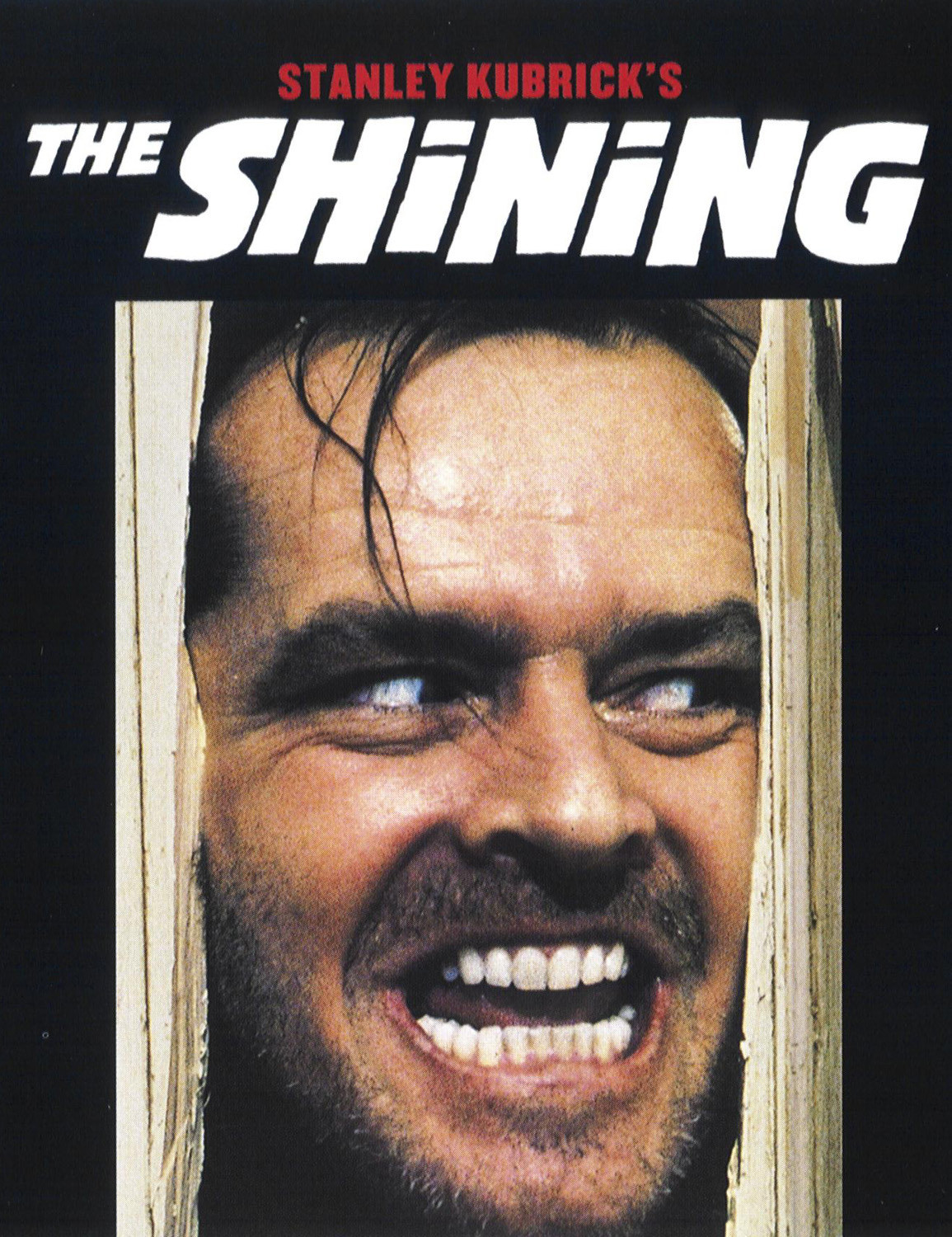
How does the opening to the film The Shining create suspense?
The film shining highly creates suspense for many reasons; one being that the camera angles that were used, make us feel like predators, which many indicate mystery or murder. Also, the music was quiet and like a cradle song.
What does Thomas Sutcliffe mean when he says "Films need to seduce their audience into long term commitment. While there are many types of seduction, the temptation to go for instant arousal is almost irresistible"
What Thomas Sutcliffe meant was that in the opening of a film, there has to be something to draw the audiences' attention. In a sense that the film has to offer something to the consumers which they will be satisfied of. Going in more deeply, it means that in the beginning, there has to be some sort of action or a direct shock where the relationship amongst the film and audience become stronger and it leads the audience onto a whole new experience, some form of escapism.
According to director Jean Jacques Beineix, what are the risks of 'instant arousal'?
Director Jean Jacques Beineix believed that a consumer watching a film has to 'accept the wait' and 'nurse, nurture your desire to make it grow, then the satisfaction comes'- this simply means that the beginning should not provide instant arousal and it should give the film time to help reach its climax. With this, he also criticised the process of instant arousal and stated that audience may ask to many questions. Where do you go after making the first section interesting? What's next? He thought that it raised too many questions.Explain why "a good beginning must make the audience feel that it doesn't know nearly enough yet, and at the same time make sure that it doesn't know too little"
I mean, a good begging must do all these things but in a manner of balance. Obviously the film producers and directors should consider revealing limited information but not too much because letting the audience know too much already, in the beginning, can prevent people from being intrigued. I think this process allows the audience to make their initial judgements and gives them something to look forward to which makes it a good beginning. Its almost like a deal, the beginning is the part where the film comes to term with its viewers.
What does critic Stanley Kauffmann describe as the classic opening? Why does this work?
A classic opening is when a film begins with a establishing shot- then close up of a building- camera goes up to a building to a window- then into the window- past the receptionists desk- then to a private office and then... sat there somebody. This is the type of opening that establishes tone - enabling the audience to make early adjustments to what this kind of movie is going to be. Is it going to be a comedy, something that will make the audience scream- this type of thing puts the audience on the same wavelength as the producers. And it always depends on how its presented. The idea that the camera 'slowly' mounts up the building could illustrate that its going to be a slow story and makes the audience enter their comfort zone. This type of opening in a way informs the audience. It shows the viewers 'where' the film is taking place the 'occupation' of the hero or protagonist and this almost puts everything in place. Makes the movie seem more rational and solid.Why is Kyle Cooper's title sequence to the film Seven so effective?Kyle cooper let us know that the director, wasn't after something like a gentle prelude, but a sequence that will tune the viewers to the right pitch. This was like a wake up call to the audience (waking them up). Well, talking about the film Seven and its title sequence, it was effective for a number of reasons...1) it foreshadowed a lot of the things that will happen in the movie. 2) told a story. 3) it introduced to you the obsessive nature of the films main characters.
What did Orson Welles want to achieve with his opening to the film A Touch of Evil?
Orson Welles wanted to create something more unique than other film openings. He tried to do this by having a film opening without title credits and with out title music. He wanted to plunge the audience into he's story without giving them time to prepare themselves. He believed that anything could be done with a cliché opening, if you don't look at it as a cliché if you look at it as the beginning of a adventure. By this he meant that anything could happen in a movie opening. He presented a movie where everything was going okay until an explosion occurred. This was the turning point of the movie and gave the audience something to think about... Why? How? What?
What is meant by "a favourite trick of Film Noir"? What is the trick?Some openings tend to attract an audience with the process of a 'a favourite trick of film Noir.' This is when the film begins with the ending, and the rest of the film is a build up of how it got to the ending that was shown. This can be effective because it creates suspense, however could be seen as difficult to keep the audience entertained because the audience already knew what happened at the very end.
How does the opening to the film The Shining create suspense?
The film shining highly creates suspense for many reasons; one being that the camera angles that were used, make us feel like predators, which many indicate mystery or murder. Also, the music was quiet and like a cradle song.
Task 4 - How can a film opening attract an audience?
How can a film opening attract an audience?
According to the research I have made, film opening is the most magical moment, the audience has to place their trust in you whereas this is not easy and can end up wrong sometimes. Silence and darkness is the most precious moment as a film starts and missing the beginning of a film will completely change the overall view on the film
This is the beginning scene for the believers movie, by John Schlesinger. The directors sharp shock in the beginning left the audience shocked as this is an good example where an audience will wonder what's next. The beginning of the movie was based on a domestic accident where as the woman was making coffee for breakfast she faced with an tremendous electric shock. John Schlesinger described this as shaking the audience up, where they know they're in for some sort of ride. These sorts of beginnings will always seduce the audience into a long-term commitment during the movie.
From my perspective, a good beginning must make the audience feel that it doesn't know nearly enough yet and at the same time it needs to make sure that it does not know to little. According to Gary Ross's view (writer/director) the beginning of a movie is difficult because your not just establishing characters, your not just establishing a story, your establishing tone and the audience is making a very early adjustment to what this movie is going to be about. This could be whether they should laugh or not or be scared or not and etc.
The movie lockout demonstrates an really good example on the fact that the audience should not know a little and not know enough because we know that a mans arrested in this scene but we don't specifically find out who he is or what he has really done.
Wednesday, 30 September 2015
Task 3 - What is the purpose of a title sequence and film opening?
Title sequence/Film opening
What is title sequence?
A title sequence is the method by which films or television programs present their title, key production and cast members. It typically includes the text of the opening credits ( opening credits are shown at the very beginning and list the most important members of the production.) Title sequence may consist of live action, animation, music, still images and graphics.What is the purpose of Title Sequence?
A main purpose of title sequence is crediting. This is because it promotes an actor also it helps to draw in the artists fan base. We can recognise a characters importance through title sequence where the most important roles are strategically placed.
 |
|
For example in this title sequence we can see that the important characters are presented. This is an effective purpose to show the audience that during the movie there will be 4 main characters as this is an hint that the audience will often come along with the 4 main characters.
One other purpose could be that it introduces us the genre, this presents on how the music may be presented, the tone, setting, mood, lighting and etc.
The purpose of title sequence is that it introduces us to the name of the movie. At times the audience may have an hint on what the movies main theme may be about, this could be through background colour/ images or by the name of the movie.
 |
|
For example, looking at this title sequence the audience can clearly figure out the purpose of this movie, this can be done through several ways. One way is by the name of the movie, the name means gradually and secretly causing harm. Also the way the title sequence is decorated can hint that its an horror movie. The colours are particularly chosen to represent this, the colour red represents blood and the colour black represents mystery.
Task 3 - Purpose of a title sequence and film opening...
From the information that I've gathered, I can say that title sequences and film openings are a vital part of a movie or TV programme as it can really entice the audience into the movie/TV programme. It could also illustrate to the audience the plot or even introduce people. A title sequence and film openings really do have a lot of purpose;
 |
| This is the title sequence of the movie black widow and as you can see, their isn't many other colours; only black and red. The colour red connotes blood and the colour black signifies mystery and evil. The combination of both interlock amongst one other and almost give the audience something to think about.Later on in the title sequence, there is a picture of a black widow (spider) which is a play on words and this was not on it coincidently. This adds effect and makes the consumers experience a lot better. |
- A film opening always tries to minimise the information available to its audience as they would want to keep that for another moment during the period. So how do they attract their audiences in the beginning? Well, they can drop minor clues about the rest of the films narrative and I think this is the most efficient way to start a film.
- It makes us want to keep watching and this could be done in many ways
- It introduces us to the main characters
- It introduces us to the genre and the ways of which this is established is through music and sound which sets the mood and tone. It also does this through the mis-en-scene; setting, lighting and so on.
- It always should and does show the name of the movie
- Most of the time introduces location- where we are in the world
 Pain And Gain- As you can see, the opening of this moviealready gave the audience something to think about. Youcan see already that someone is running away from someoneand this I believe is a good scene opening if you want toreceive maximum satisfaction.

Monday, 28 September 2015
Introducing the group

Welcome to group 10!
To your far left is Raphael Harris. Next to him in the centre is Baran Karamagara. Just behind him is Nikolas Da Silva and on the far right is a person who goes by the name of Hasan Bezginer.
Subscribe to:
Comments (Atom)